
What is Balance: Symmetrical, Asymmetrical and Radial
Balance is a core principle of design that controls how visual weight is distributed within a composition. It creates stability, guides the viewer’s eye, and determines whether a design feels intentional or accidental. For businesses, getting balance right builds immediate credibility and helps designs work harder to attract and retain customers.
Symmetrical Balance
Symmetrical balance mirrors elements equally on either side of a central axis. It delivers order, formality and trust. Corporate websites, financial reports and luxury packaging often rely on this approach because it feels calm, predictable and professional.
Designer insight: While reliable, perfect symmetry can become static. The real skill lies in introducing subtle variations in texture or scale to keep the design alive rather than lifeless.

Asymmetrical Balance
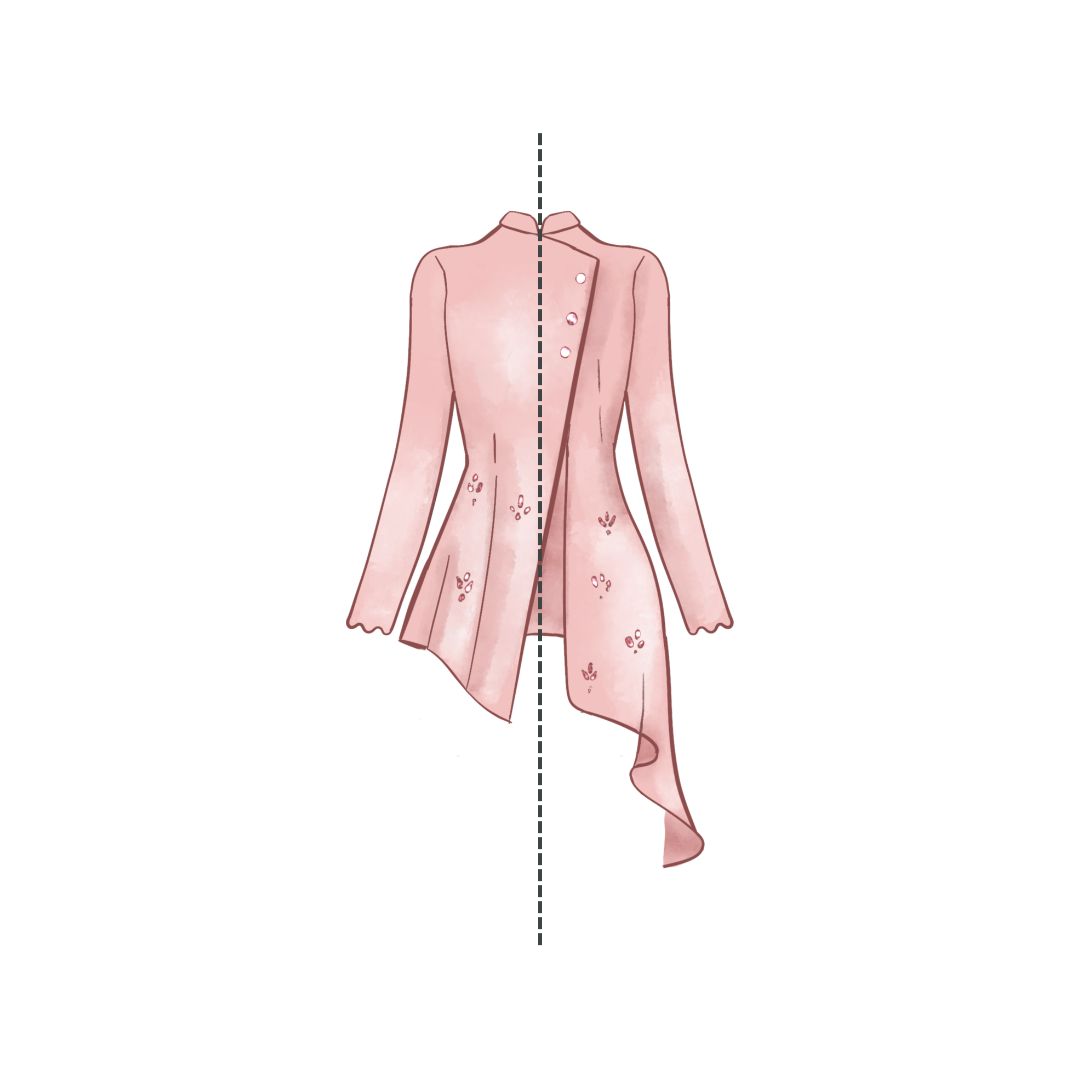
Asymmetrical balance creates equilibrium with unequal elements that still feel visually stable. A heavy image on one side might be countered by strong typography and generous white space on the other. This produces energy, movement and a contemporary feel. It works especially well for creative brands, e-commerce and businesses that want to appear dynamic and approachable.
Designer insight: The common pitfall is confusing asymmetry with randomness. True asymmetrical balance demands a sharp eye for visual weight, colour temperature and negative space. When executed well, it elevates the work from competent to exceptional and raises industry standards.
Radial Balance
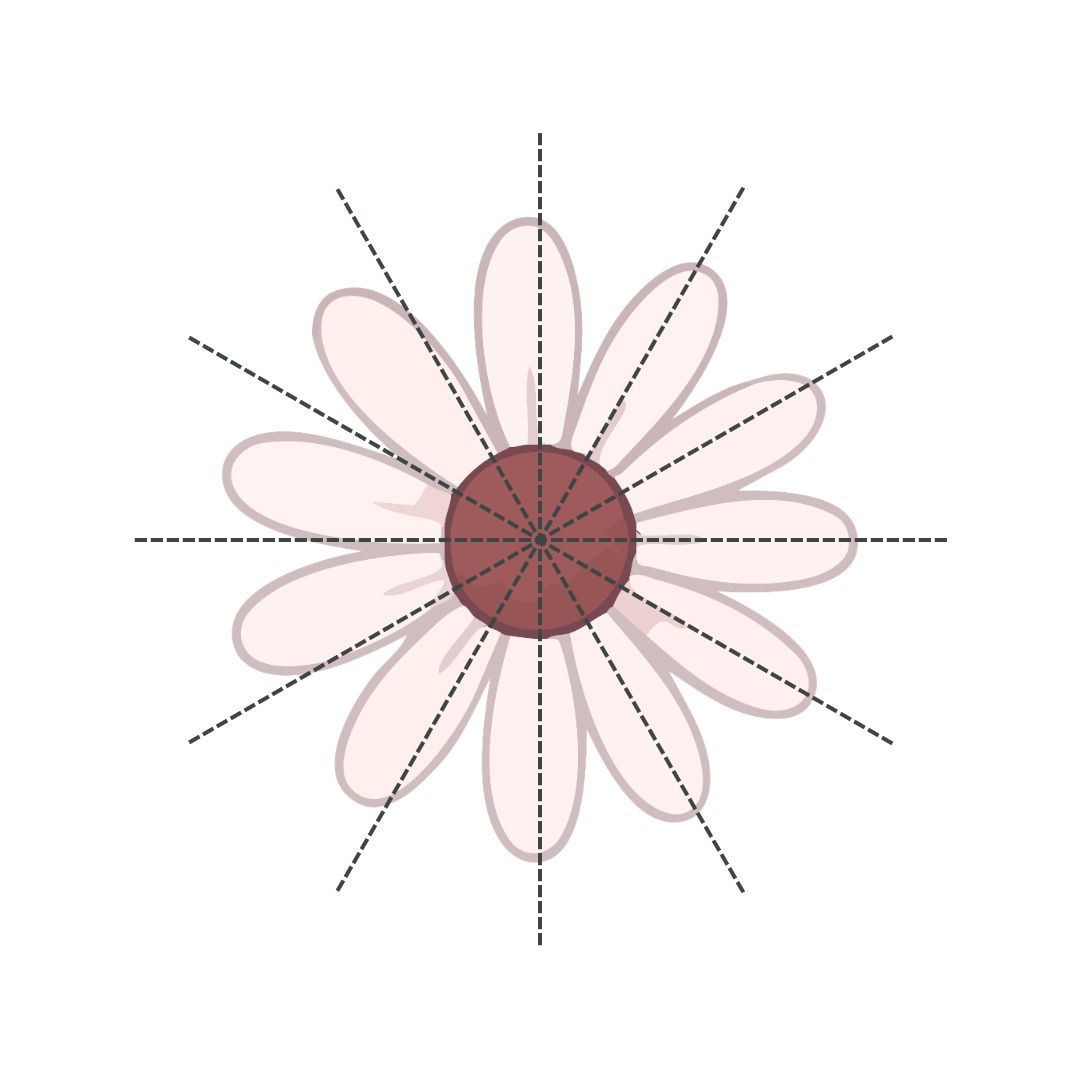
Radial balance occurs when elements radiate outward from a central point, like spokes on a wheel or petals on a flower. It naturally draws the eye to the centre and creates a strong focal point with circular energy.
You will see radial balance in logos, product labels, app icons and event invitations. It conveys harmony, unity and movement all at once, making it ideal for brands in wellness, technology, food or any sector that benefits from a sense of completeness and focus.
Designer insight: Radial balance is powerful but easily overused. The challenge is maintaining clarity when elements radiate – too many competing details and it becomes chaotic. Used thoughtfully, it creates memorable, high-impact designs that stand out in crowded markets.
Why Balance Matters to Your Business
Strong balance helps visitors understand your brand within seconds. It reduces visual confusion, improves readability and gently leads customers toward key actions such as purchasing or contacting you. Whether symmetrical for authority, asymmetrical for personality or radial for focus, the right choice makes your visual identity feel professional and trustworthy.
In practice, many successful projects combine these approaches: a symmetrical header for structure, asymmetrical content for interest, and radial elements for key calls to action.
Practical tip: Flip your design upside down or view it in greyscale. If it still feels balanced, you have succeeded. This removes emotional attachment to colour and content and reveals true visual harmony.
Mastering symmetrical, asymmetrical and radial balance allows us to deliver work that not only meets client goals but also advances the quality of design across the industry. It is about creating clarity, confidence and connection for the businesses we serve.