
What is Shape in Design?
The graphic part of graphic design is made up of visual elements – the foundational building blocks we use to communicate ideas. These elements include line, colour, shape, texture, space, form and typography. Whatever work you produce, be it for a brand identity, website, packaging or marketing materials, these elements play a vital role.
Everything we see is ultimately a shape. All objects and visual elements are composed of shapes in some way. In design, shapes have two dimensions and are measured by their height and width.
Shapes are defined by boundaries created with lines or colour, and can also be formed through negative space. They add interest and substance to any piece of design work. Shapes can decorate, carry symbolic meaning, create patterns, and build textures.
There are two main types of shapes: geometric and organic.
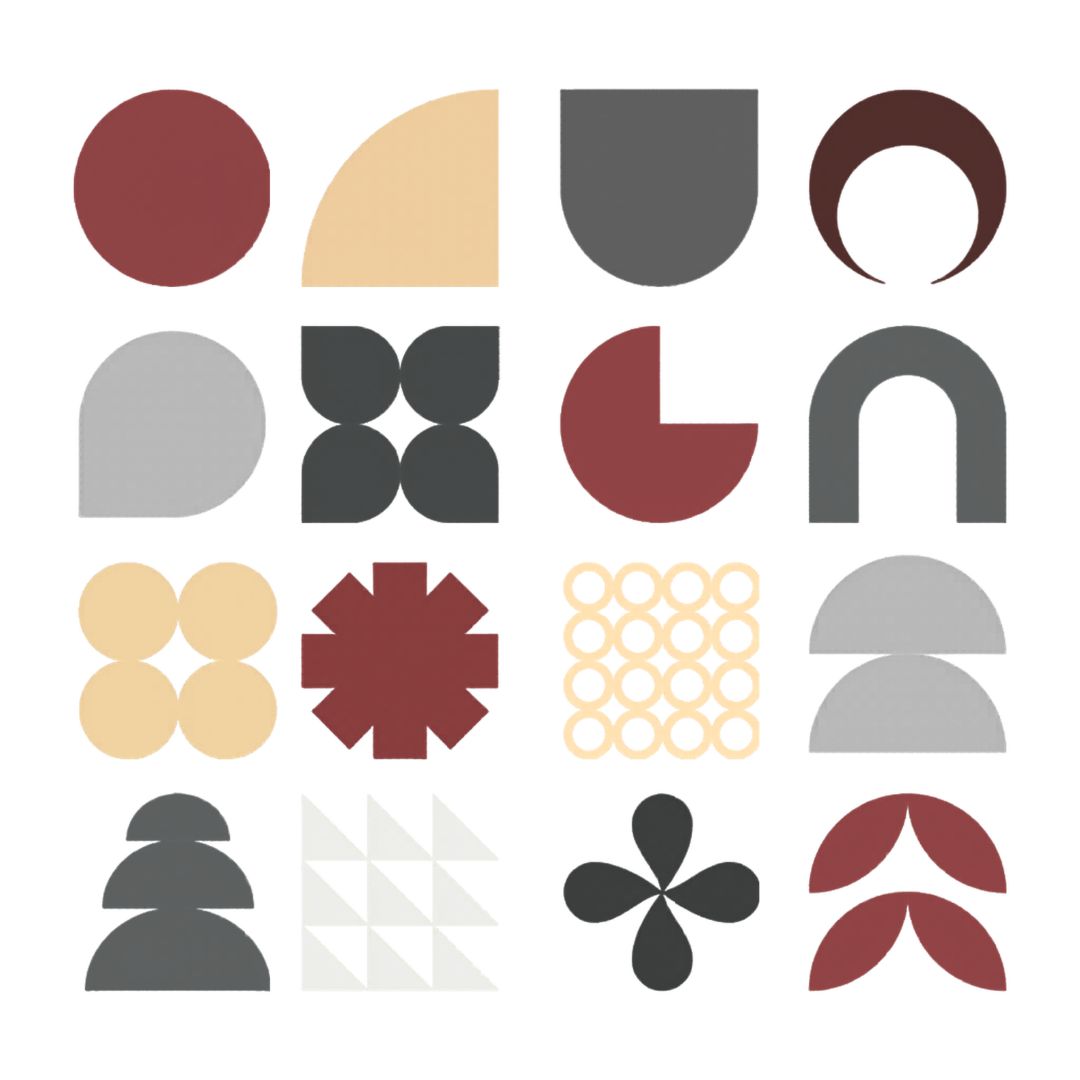
Geometric Shapes
Geometric shapes are precise forms that can be drawn with tools like rulers or compasses. Circles, squares, triangles, rectangles and hexagons fall into this category. They produce a feeling of control, order, stability and modernity. Clients often respond well to them in corporate, tech or financial contexts where trust and clarity matter.
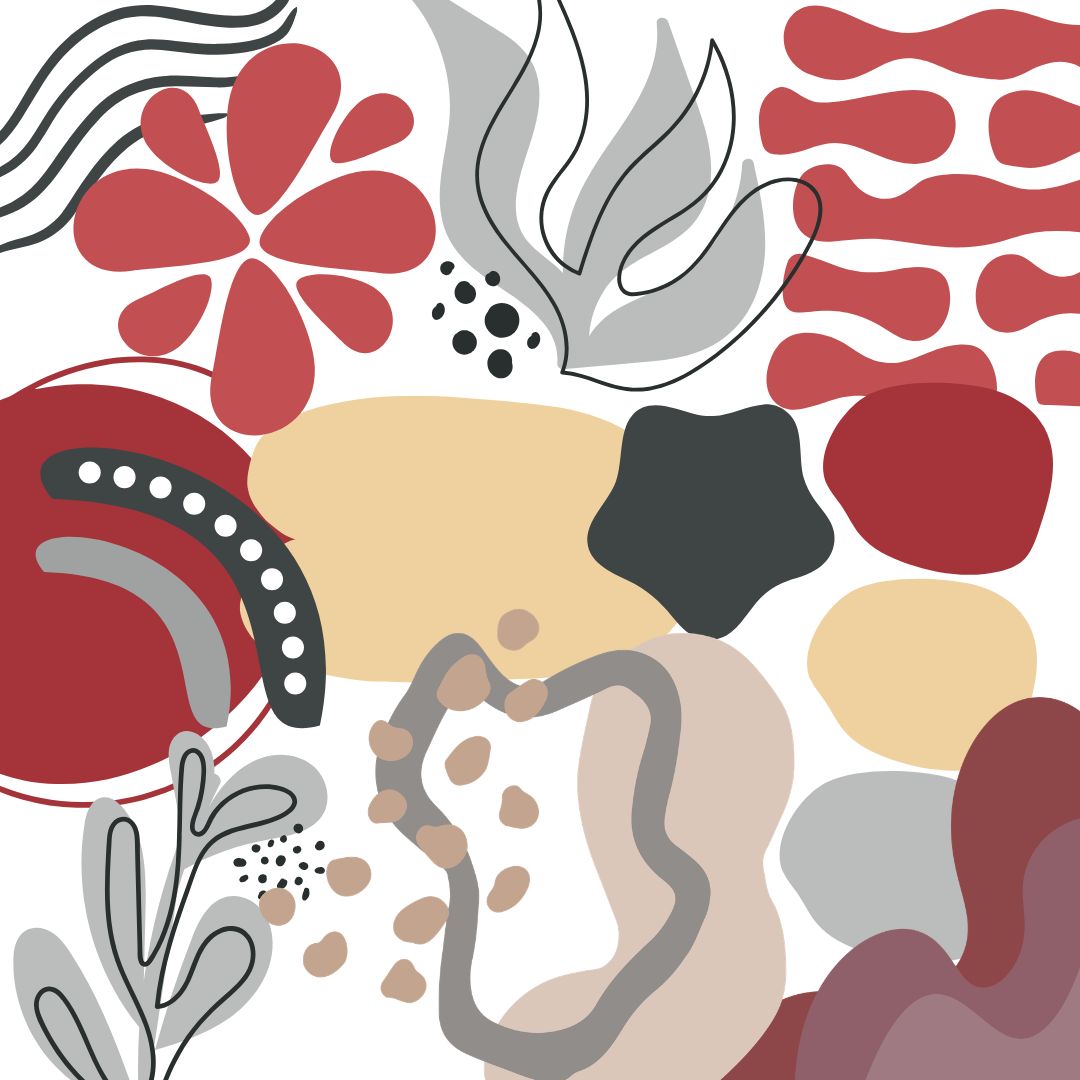
Organic Shapes
Organic shapes are irregular, free-flowing forms often inspired by nature. They tend to feel natural, human, warm and approachable. Think soft curves, flowing lines and natural silhouettes. These work beautifully for wellness, food, lifestyle and creative brands.
Combining Shapes
It is important to remember that shapes are powerful visual communicators. When we place shapes together, we create relationships between them. Grouping them or adjusting spacing applies the design principle of proximity.
Geometric and organic shapes can combine to create richer design elements. One of the clearest examples is in brand logos, where shape is used in its purest form.
Practical Applications in Design
Shape forms the foundation of any composition. A layout can be simple, made of one or few shapes, or complex, built from many individual shapes working together. How you arrange them determines the visual outcome and the message conveyed.
For your business, when shapes are used intentionally, your brand materials become clearer and more memorable. They stop being generic and start communicating effectively – helping you build trust, stand out from competitors, and create stronger connections with your audience.
For fellow designers, mastering shape moves us beyond decoration into purposeful communication. It is one of the quickest ways to raise the standard of our work and the industry as a whole. Pay attention to how shapes interact, and your designs will gain depth and clarity that clients truly value.